



The Sixteenth Annual
Clara Lemlich Awards
May 4, 2026 6–8 pm
New York Society for Ethical Culture
Support the Awards- Welcome , NY Society for Ethical Culture
- Emcee and
- Poem “Instructions on Not Giving Up” read by
- Honoree Introduced by Eva Richter acceptance read by Nermin Ahmad
- Music “Little Things” accompanied by Leandria Lott
- Honoree Introduced by
- Music “Higher and Higher”
- Honoree Introduced by
- Honoree Introduced by
- Music “A Change Gonna Come” accompanied by Leandria Lott
- Honoree Introduced by
- Closing “Ain’t No Mountain High Enough” and “This Little Light of Mine”
- Reception Catering by Nour Books from
Presented with
Remember the Triangle Fire Coalition and
New York Society of Ethical Culture
Honoring those who
jump into work head first
without dallying in the shadows…
who do what has to be done, again and again.
Instructions on Not Giving Up
More than the fuchsia funnels breaking out
of the crabapple tree, more than the neighbor’s
almost obscene display of cherry limbs shoving
their cotton candy-colored blossoms to the slate
sky of Spring rains, it’s the greening of the trees
that really gets to me. When all the shock of white
and taffy, the world’s baubles and trinkets, leave
the pavement strewn with the confetti of aftermath,
the leaves come. Patient, plodding, a green skin
growing over whatever winter did to us, a return
to the strange idea of continuous living despite
the mess of us, the hurt, the empty. Fine then,
I’ll take it, the tree seems to say, a new slick leaf
unfurling like a fist to an open palm, I’ll take it all.
— Ada Limón
The Clara Lemlich Awards
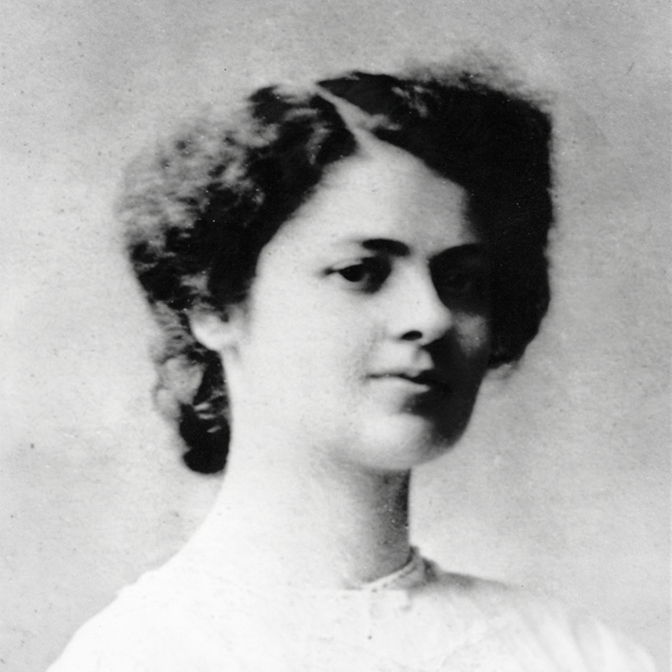
The Clara Lemlich Awards honor women who have been working for the larger good their entire lives, in the tradition of those who sparked so many reforms in the aftermath of the Triangle Shirtwaist Factory Fire over one hundred years ago.
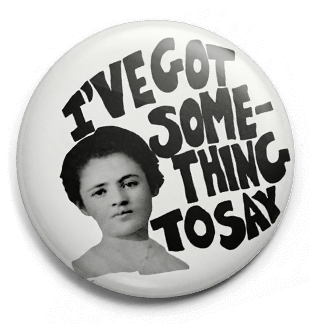
“I’ve got something to say!” shouted the 23-year old Clara Lemlich in her native Yiddish during a tense, crowded meeting of garment workers in Cooper Union’s Great Hall in 1909. Rising from the audience, she interrupted Samuel Gompers and the other union leaders on stage. Her speech inspired the crowd, leading to an unexpected vote to strike, and to what would become known as the Uprising of 20,000.
Born to a Jewish family in the Ukraine (then part of the Russian Empire), Lemlich migrated to the U.S. in 1903, found work in the garment industry, and soon became active in the International Ladies’ Garment Workers Union. The 1909 strike led to reforms, but the Triangle Shirtwaist Factory was a hold-out, and refused to implement safety improvements.
The fire that took 146 lives on March 25, 1911 was seen across the country as a tragedy that could have been avoided, and it sparked a movement that pushed politicians to accept a new notion about the responsibilities of government. Lemlich continued to be active in the labor movement until she was pushed out for her leftist politics. She continued to work for women’s suffrage, led a boycott of butcher shops to protest meat prices, campaigned for unemployment relief, and fought for tenants’ rights.
One hundred and fifteen years later we are proud to honor her legacy and to honor those who follow proudly in her footsteps.
Support Labor Arts and the Lemlich Awards!
Since our founding in 2001, Labor Arts has celebrated the history of working people. Join us to make sure our exhibitions, public programs, and writing contests continue to reach growing and diverse audiences. Contributions of any size are greatly appreciated, and all contributions are tax-deductible.
Have a question? Contact us at info@laborarts.org. Thank you for your generosity and support!
2026 Honoree