



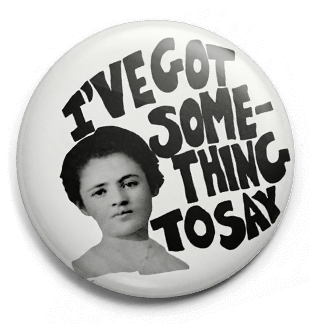
I’ve got something to say!
The Clara Lemlich awards for social activism celebrate the lives of incredible women whose many decades of brilliant activism have made real and lasting change in the world.
The Inaugural Lemlich Awards were held on March 21, 2011, at The 8th Floor 17 West 17th Street NYC.
Inspired to support the Lemlich Awards? We could use your help. Donate here, and/or volunteer to help by emailing info@LaborArts.org.
The 2011 Honorees
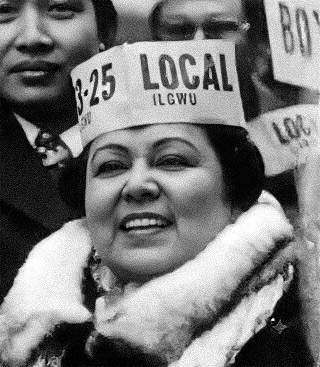
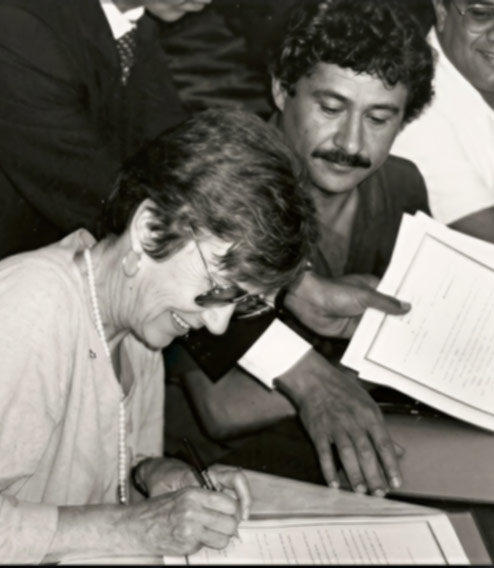
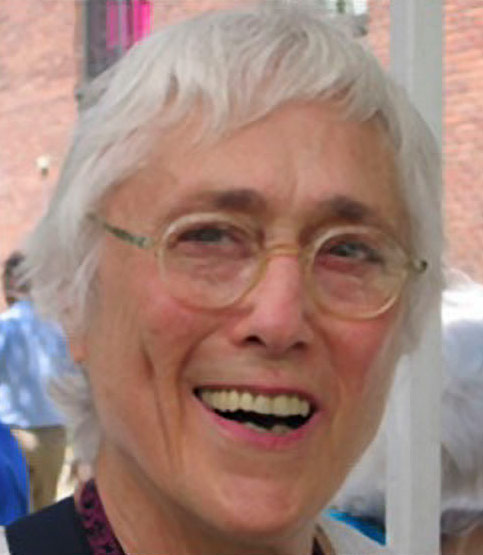
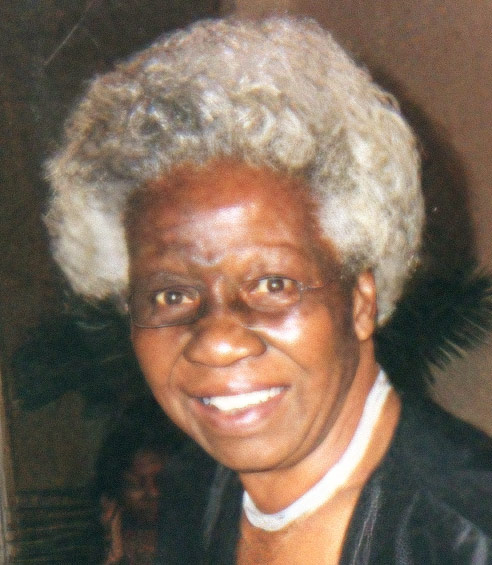
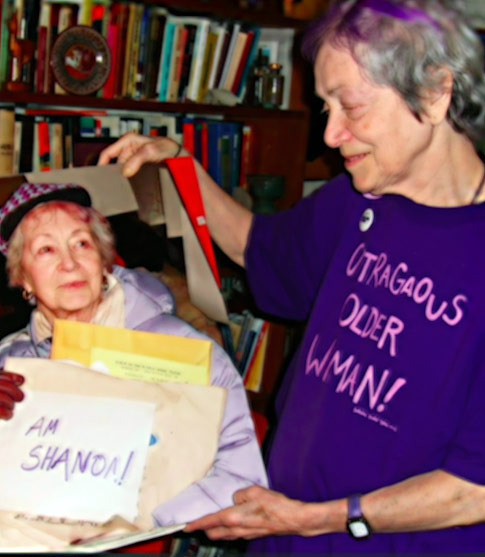
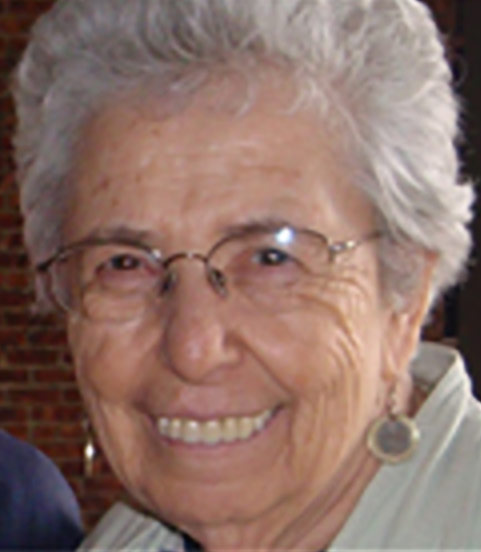



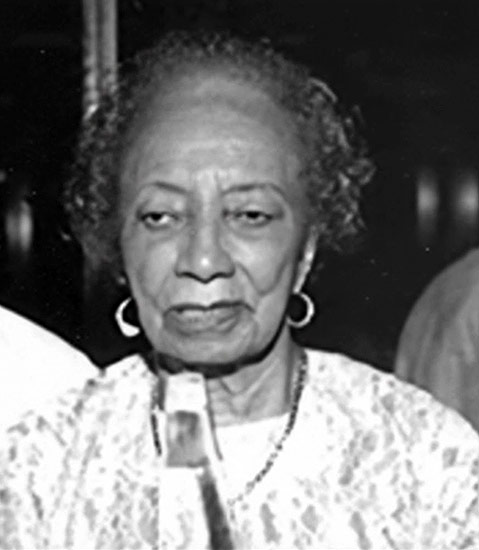
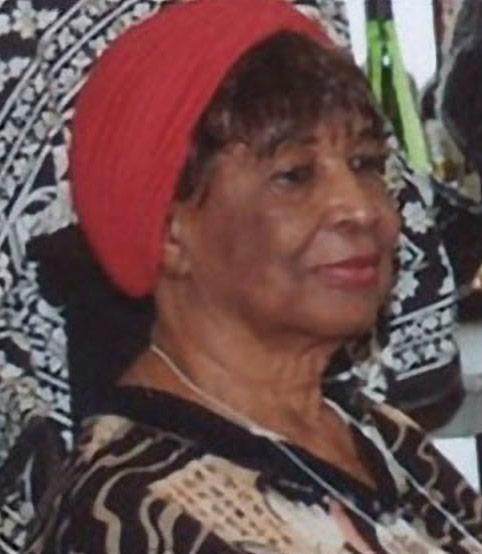
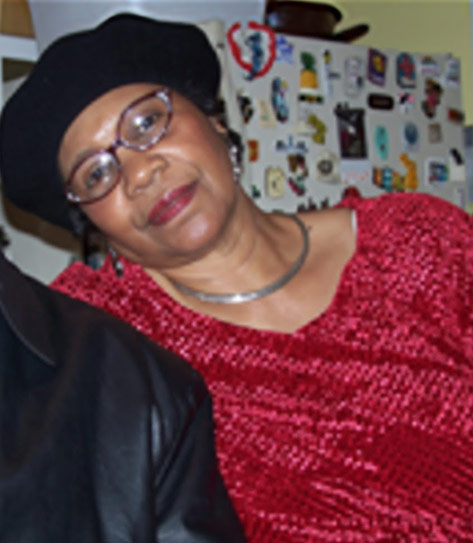



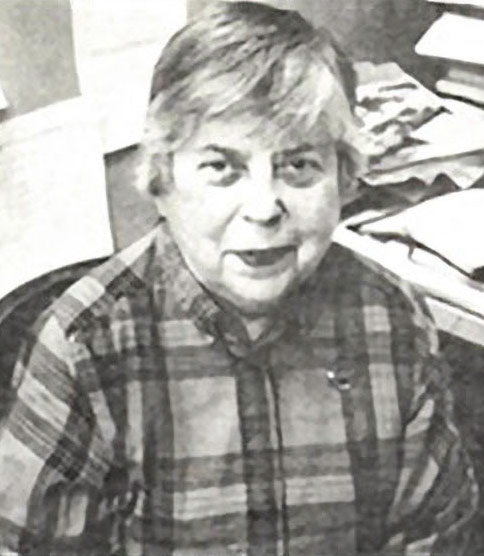
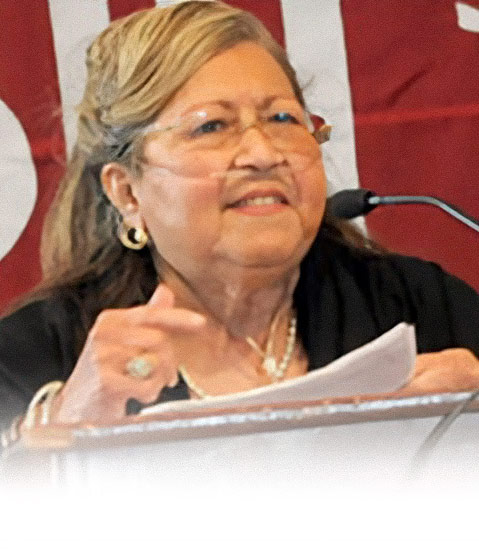



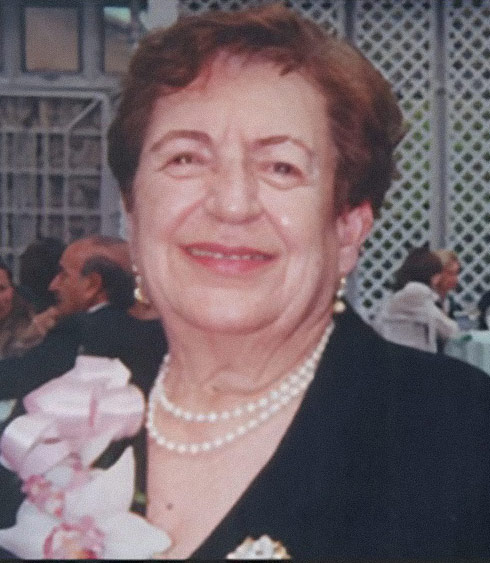
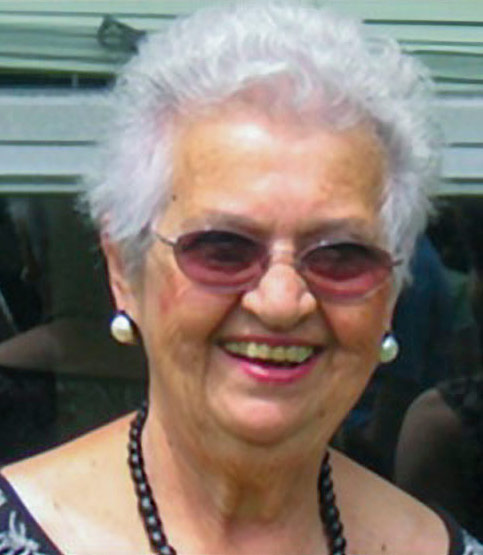
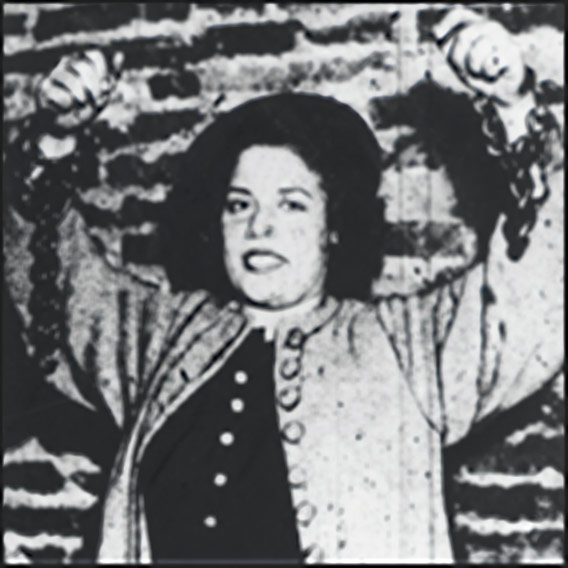


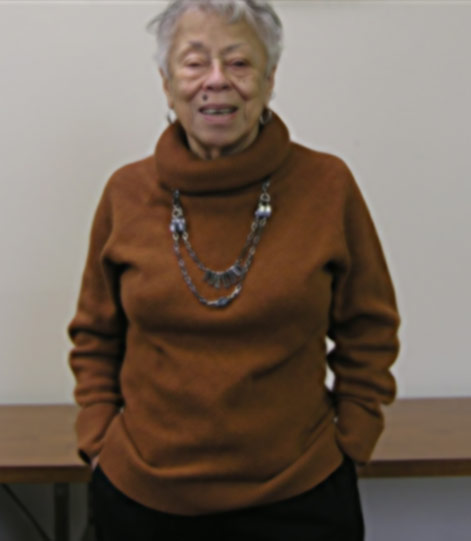
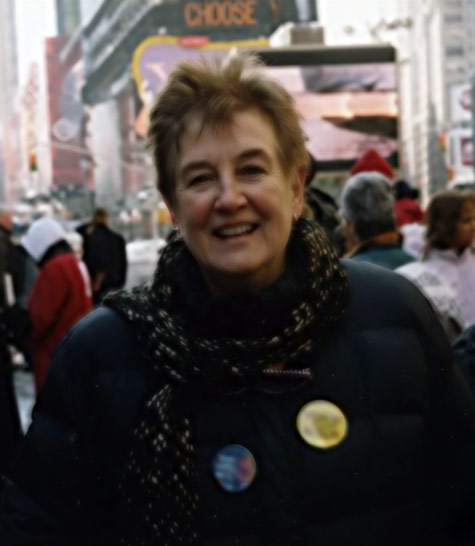






























Unsure how to locate someone? Find an Honoree ›
Watch the 2011 Ceremony
Poem
To Be of Use
The people I love the best
jump into work head first
without dallying in the shallows
and swim off with sure strokes almost out of sight.
They seem to become natives of that element,
the black sleek heads of seals
bouncing like half submerged balls.
I love people who harness themselves, an ox to a heavy cart,
who pull like water buffalo, with massive patience,
who strain in the mud and the muck to move things forward,
who do what has to be done, again and again.
Marge Piercy
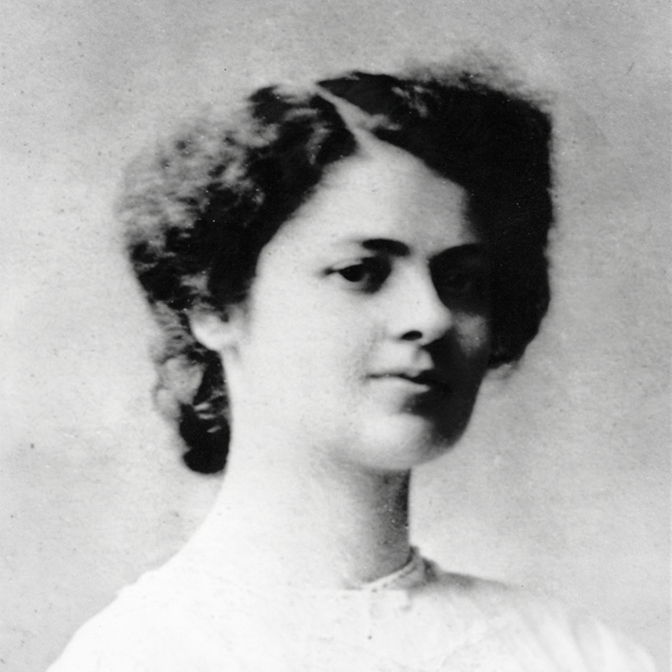
Who Was Clara Lemlich?
“I’ve got something to say!” shouted the 23-year old Clara Lemlich in her native Yiddish during a tense, crowded meeting of garment workers in Cooper Union’s Great Hall in 1909. Rising from the audience, she interrupted Samuel Gompers and the other union leaders on stage. Her speech inspired the crowd, leading to an unexpected vote to strike, and to what would become known as the Uprising of 20,000.
Born to a Jewish family in the Ukraine (then part of the Russian Empire), Lemlich migrated to the U.S. in 1903, found work in the garment industry, and soon became active in the International Ladies’ Garment Workers Union. The 1909 strike led to reforms, but the Triangle Shirtwaist Factory was a hold-out, and refused to implement safety improvements.
The fire that took 146 lives on March 25, 1911 was seen across the country as a tragedy that could have been avoided, and it sparked a movement that pushed politicians to accept a new notion about the responsibilities of government. Lemlich continued to be active in the labor movement until she was pushed out for her leftist politics. She continued to work for women’s suffrage, led a boycott of butcher shops to protest meat prices, campaigned for unemployment relief, and fought for tenants’ rights.
One hundred years later we are proud to honor her legacy and to honor those who follow proudly in her footsteps.