



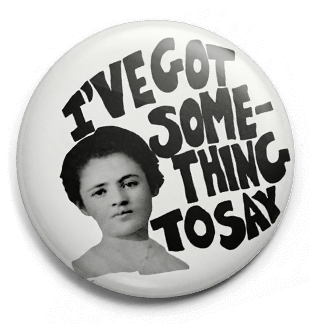
I’ve got something to say!
The Lemlich Awards honor women who have been working for the larger good their entire lives, in the tradition of those who sparked so many reforms in the aftermath of the Triangle Shirtwaist Factory Fire over one hundred years ago.
We honor—in the words of the poet Marge Piercy—people who:
jump into work head first
without dallying in the shadows…
who do what has to be done, again and again.
The Fifth Annual Clara Lemlich Awards were held at the Puffin Gallery for Social Activism at the Museum of the City of New York.
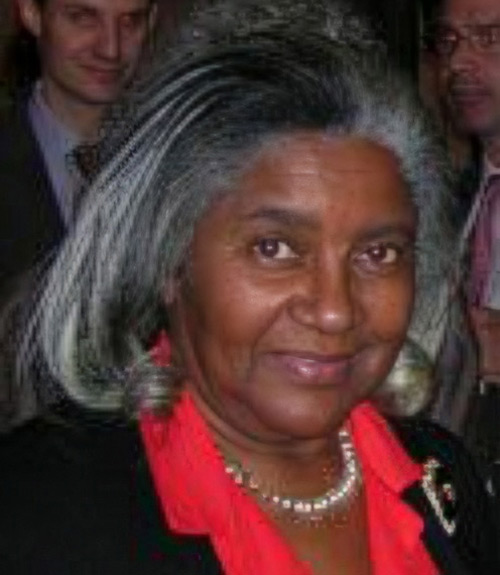
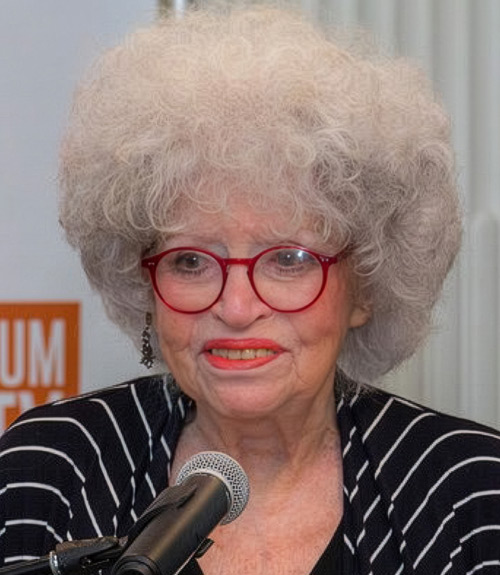
The 2015 Honorees



































Unsure how to locate someone? Find an Honoree ›
Watch the 2015 Ceremony
Poem
The Peace of Wild Things
When despair for the world grows in me
and I wake in the night at the least sound
in fear of what my life and my children’s lives may be,
I go and lie down where the wood drake
rests in his beauty on the water, and the great heron feeds.
I come into the peace of wild things
who do not tax their lives with forethought
of grief. I come into the presence of still water.
And I feel above me the day—blind stars
waiting with their light. For a time
I rest in the grace of the world, and am free.
Wendell Berry, from Collected Poems (North Point Press), © 1985
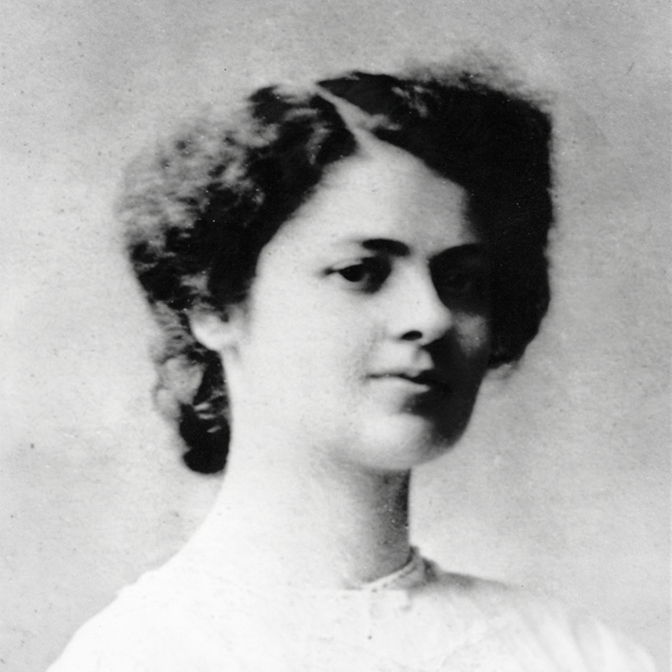
Who Was Clara Lemlich?
“I’VE GOT SOMETHING TO SAY” shouted the 23-year old Clara Lemlich in her native Yiddish during a tense, crowded meeting of garment workers in Cooper Union’s Great Hall in 1909. Rising from the audience, she interrupted Samuel Gompers and the other union leaders on stage. Her speech inspired the crowd, leading to an unexpected vote to strike, and to what would become known as the Uprising of 20,000.
Born to a Jewish family in the Ukraine, Lemlich migrated to the U.S. in 1903, found work in the garment industry, and soon became active in the International Ladies’ Garment Workers Union. The 1909 strike led to reforms—but the Triangle Shirtwaist Factory was a hold-out and did not implement safety improvements.
The fire that took 146 lives on March 25, 1911 was seen across the country as a tragedy that could have been avoided, and it sparked a movement that pushed politicians to accept a new notion about the responsibilities of government. Lemlich continued to be active in the labor movement until she was pushed out for her leftist politics. She continued to work for women’s suffrage, led a boycott of butcher shops to protest meat prices, campaigned for unemployment relief, and fought for tenants’ rights.
One hundred and four years later we are proud to honor her legacy and to honor those who follow proudly in her footsteps.