



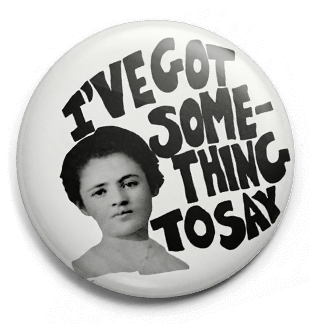
I’ve got something to say!
The Sixth Annual Clara Lemlich Awards were held in May, 2016, honoring women who have been working for the larger good their entire lives, in the tradition of those who sparked so many reforms in the aftermath of the Triangle Shirtwaist Factory Fire over one hundred years ago.
“I want to be able to look my children in the eye some day and say I tried to stop that” said Debra Bernhardt at a demonstration against military expenditures in the early 1980s—capturing the sentiment of Lemlich honorees from 2011 through today.
Video of the event shot and edited by Kuji Banks. Photos by Kuji Banks, Peter Odabashian, Steven Chan, and Gary Schoichet.

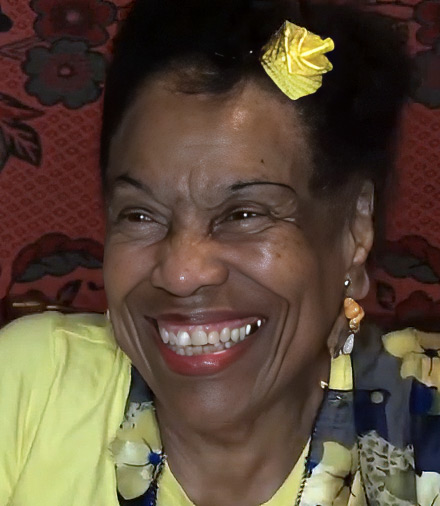
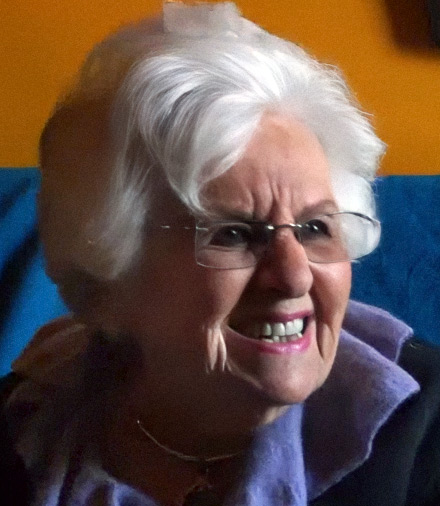
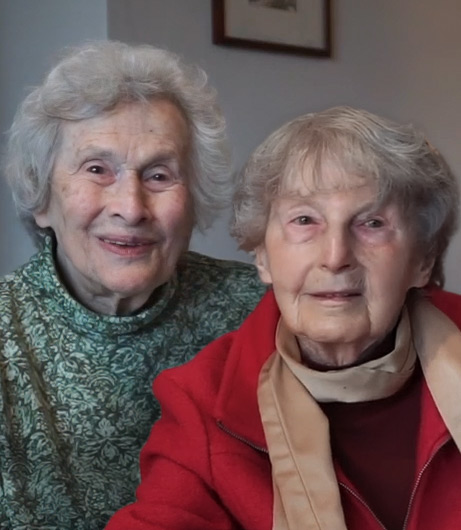






























Unsure how to locate someone? Find an Honoree ›
Watch the 2016 Ceremony
Photographs
Video of the event shot and edited by Kuji Banks. Photos by Kuji Banks, Peter Odabashian, Steven Chan and Gary Schoichet. See many more on the LaborArts Facebook page.
Poem
To Be of Use
The people I love the best
jump into work head first
without dallying in the shallows
and swim off with sure strokes almost out of sight.
They seem to become natives of that element,
the black sleek heads of seals
bouncing like half-submerged balls.
I love people who harness themselves, an ox to a heavy cart,
who pull like water buffalo, with massive patience,
who strain in the mud and the muck to move things forward,
who do what has to be done, again and again.
I want to be with people who submerge in the task,
who go into the fields to harvest
and work in a row and pass the bags along,
who are not parlor generals and field deserters
but move in a common rhythm
when the food must come in or the fire be put out.
The work of the world is common as mud.
Botched, it smears the hands, crumbles to dust.
But the thing worth doing well done
has a shape that satisfies, clean and evident.
Greek amphoras for wine or oil,
Hopi vases that held corn, are put in museums
but you know they were made to be used.
The pitcher cries for water to carry
and a person for work that is real.
Marge Piercy, from To Be of Use (Doubleday, 1973)
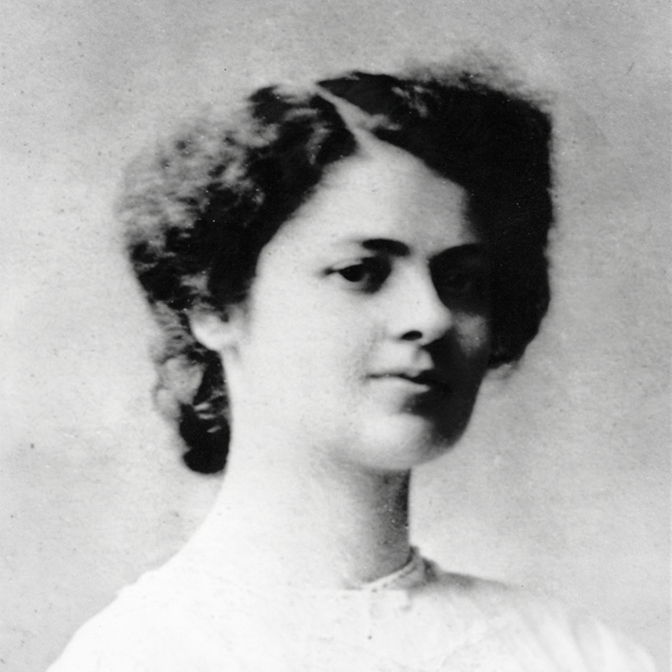
Who Was Clara Lemlich?
“I’VE GOT SOMETHING TO SAY” shouted the 23-year-old Clara Lemlich in her native Yiddish during a tense, crowded meeting of garment workers in Cooper Union’s Great Hall in 1909. Rising from the audience, she interrupted Samuel Gompers and the other union leaders on stage. Her speech inspired the crowd, leading to an unexpected vote to strike, and to what would become known as the Uprising of 20,000.
Born to a Jewish family in the Ukraine (then part of the Russian Empire), Lemlich migrated to the U.S. in 1903, found work in the garment industry, and soon became active in the International Ladies’ Garment Workers Union. The 1909 strike led to reforms, but the Triangle Shirtwaist Factory was a hold-out and refused to implement safety improvements.
The fire that took 146 lives on March 25, 1911 was seen across the country as a tragedy that could have been avoided, and it sparked a movement that pushed politicians to accept a new notion about the responsibilities of government. Lemlich continued to be active in the labor movement until she was pushed out for her leftist politics. She continued to work for women’s suffrage, led a boycott of butcher shops to protest meat prices, campaigned for unemployment relief, and fought for tenants’ rights.
One hundred and five years later we are proud to honor her legacy and to honor those who follow proudly in her footsteps.